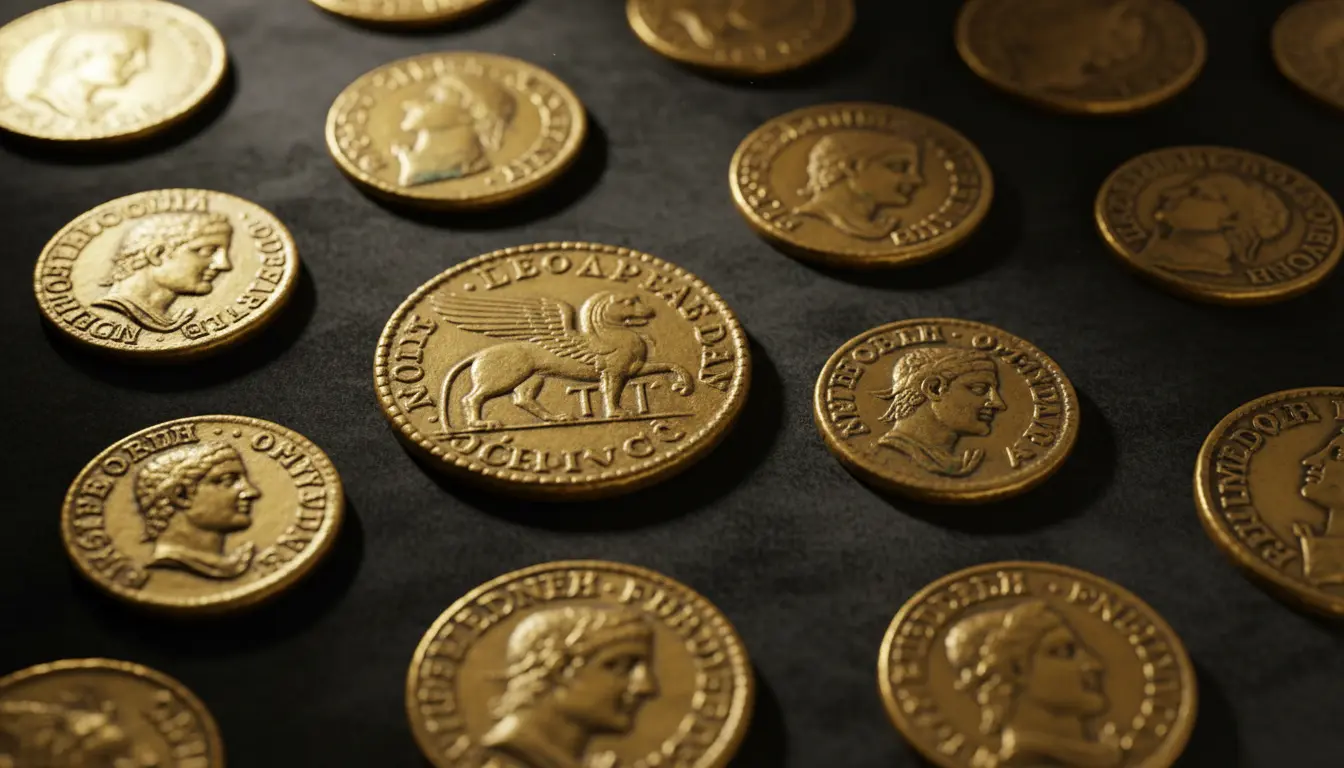
10 Most Valuable Rare Coins That Could Make You a Millionaire Overnight
Rare coins can carry huge collector value when they are scarce, historically important, or have unique errors. This guide lists ten coins that collectors and investors watch closely for potential multi-million dollar sales.
Use this practical list to learn what makes each coin valuable and how to spot candidates worth researching further.
How coin value is determined
Coin value depends on rarity, condition (grade), historical significance, and market demand. Provenance and legal status also affect price.
Even small differences in condition can change a coin’s price dramatically. Professional grading is often required to sell at high-end auctions.
The 10 Most Valuable Rare Coins
1. 1794 Flowing Hair Silver Dollar
One of the earliest U.S. silver dollars, this coin is prized for age and rarity. High-grade specimens are extremely scarce and attract top collectors worldwide.
2. 1804 Silver Dollar (Class I and later restrikes)
Known as the “King of American Coins,” the 1804 dollar has famous diplomatic and collector-class examples. Its rarity and story make it highly desirable at auction.
3. 1933 Saint-Gaudens Double Eagle
Most 1933 Double Eagles were never legally circulated and many were melted, leaving only a few legal survivors. The mix of rarity and drama in its history pushes prices to the top of the market.
4. 1913 Liberty Head Nickel
Only five examples are known, creating intense interest among collectors. A verified 1913 Liberty Head Nickel can command a very high price when it appears at auction.
5. 1907 Ultra High Relief Saint-Gaudens Double Eagle
This artistic gold coin had a short production run and challenging strikes. High-relief strikes in excellent condition are rare and valuable.
6. Brasher Doubloon (1787)
An early private gold coin struck by silversmith Ephraim Brasher, the Brasher Doubloon is historic and extremely scarce. Collectors prize original examples with solid provenance.
7. 1894-S Barber Dime
Only a very small number of these dimes were minted in San Francisco. Surviving pieces in choice condition are rare and sought after by advanced collectors.
8. Early Pattern and Proof Gold Coins (various dates)
Pattern and proof gold coins from the early U.S. Mint are often unique or in very small numbers. Their historical significance and scarcity make them prime auction lots.
9. 1802/1804 Classic Proofs and Presentation Pieces
Presentation pieces and specially struck proofs from the early 19th century were often produced in very low quantities. Collectors place a premium on rarity plus original documentation.
10. Key Carson City Mint (CC) Issues
Carson City coins, especially in certain dates and denominations, are known for low mintages. Key dates from CC mixes often bring strong bids from collectors focused on mint-specific sets.
Practical steps before assuming a coin is worth millions
- Authenticate: Get the coin examined by a professional numismatist or grading service.
- Grade: Submit high-value coins to major grading services for an official grade and encapsulation.
- Research provenance: Auction records and previous ownership history increase buyer confidence.
- Estimate market: Look at comparable auction sales and dealer prices for similar coins.
Many of the most valuable coins today survived because they were never released into circulation or were kept as presentation pieces. That historical context often makes them rarer than mint reports alone suggest.
Signs a coin could be a high-value candidate
- Unusually low mintages or documented destruction of most pieces.
- Mint or pattern pieces with known historical ties to important events or figures.
- Clear mint errors or varieties that are well-documented and collectible.
- Strong provenance linking the coin to past high-end sales or notable collections.
Case study: Why provenance matters
A famous example involves a 20th-century gold double eagle that resurfaced after decades in a private collection. Because it had clear documentation from a prior auction and expert certificates, it sold quickly and at a premium compared with unattributed examples.
This shows that well-documented history and professional grading can turn a rare coin into a top-tier sale at auction.
Safe selling and buying tips
Work with reputable dealers and auction houses. Ask for references and check past sale records.
Insure valuable coins and keep them in secure storage while you research their market value and legal status.
Final considerations
While these ten patterns and issues represent historically valuable coins, turning a single coin into a millionaire outcome requires rarity, condition, and buyer interest to align.
Careful authentication, professional grading, and smart marketing to the right collectors are essential steps when selling a potentially high-value coin.
Use this list as an instructional starting point. Consult experienced numismatists before making purchase or sale decisions about high-value rare coins.