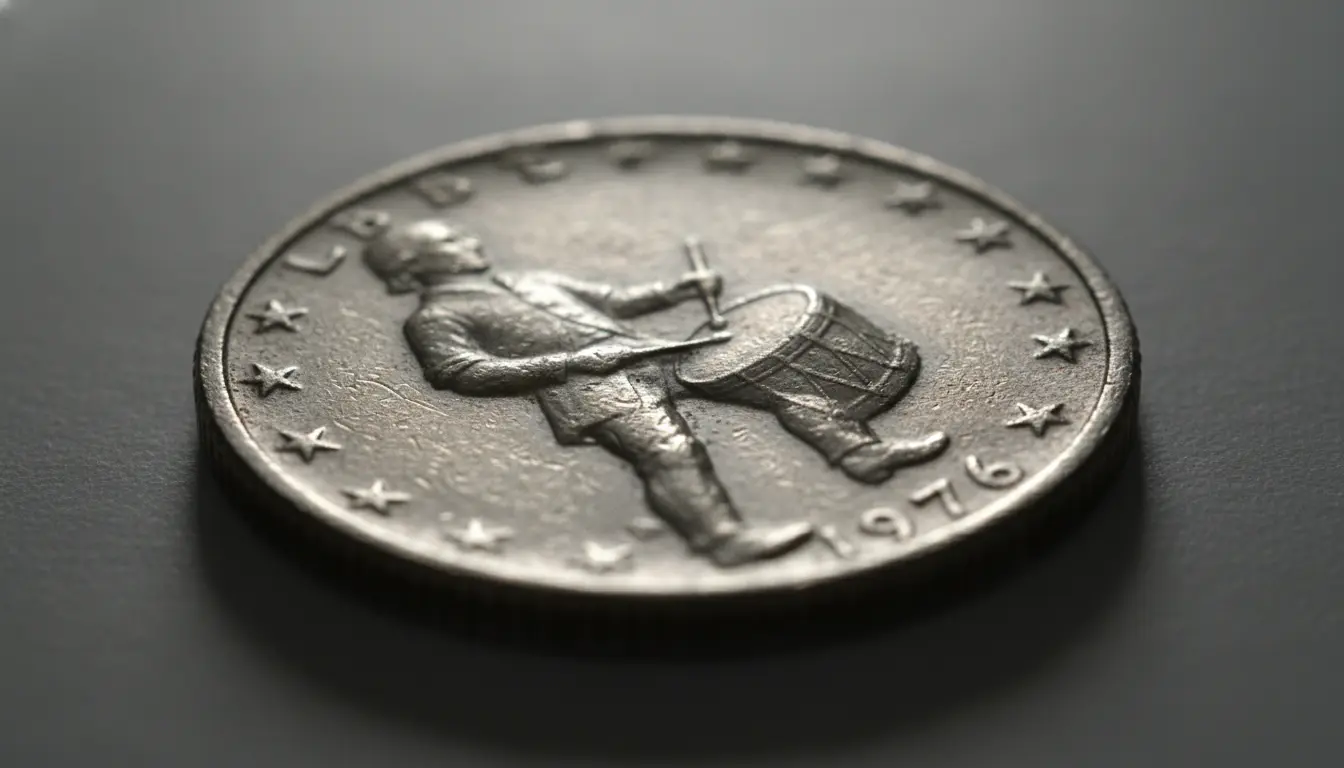
The sale of a 1976 Drummer Boy quarter for 550000 dollars attracted attention because most modern quarters are common. When a modern coin reaches six figures, collectors want to know why. This article breaks down the key factors that drive high prices and how to evaluate similar coins.
What Is the 1976 Drummer Boy Quarter
The name “1976 Drummer Boy quarter” is a collector nickname applied to an unusual variety or error linked to the 1976 bicentennial quarter era. Nicknames often come from distinctive visual features or patterns visible on the coin.
Collectors use nicknames to identify and trade varieties, but the official value depends on observable traits, certification, and provenance rather than the nickname alone.
Why the 1976 Drummer Boy Quarter Can Be Valuable
Several predictable factors explain why a specific 1976 Drummer Boy quarter could sell for 550000 dollars. These factors apply to rare modern coins in general.
Rarity and Uniqueness
Rarity is the most straightforward value driver. A coin with a one-off die error or pattern can be effectively unique. Collectors pay premiums for coins that cannot be reproduced.
Examples of rarity include:
- Single known specimen of a die variety
- Pattern pieces or experimental strikes never released for circulation
- Error coins created by unusual minting accidents
Condition and Third-Party Grading
High grade multiplies value. A Morgan-era rarity in mint state is worth far more than the same rarity in worn condition. Third-party grading from PCGS or NGC gives buyers confidence.
Key grading effects:
- Prooflike surfaces and strong luster add value
- Higher numeric grades (MS65 and up) command big premiums
- Clear images in certification reports help auctions attract serious bidders
Error Type and Attribution
Some errors are more collectible than others. Striking errors, off-center strikes, doubled dies, and pattern overstrikes are usually highly prized. If a coin shows a clear, documented minting error that is unusual for the series, its value rises.
Attribution by reputable specialists—such as a published die study or expert consensus—also helps justify high prices.
Provenance and Documentation
Provenance means ownership history. A coin with clear ownership trail, previous auction records, or association with a known collector or cabinet becomes more desirable.
Documentation that traces a coin from mint to present helps reduce buyer risk and supports higher bids at auction.
Market Demand and Auction Dynamics
Auction settings can push prices well above estimates when multiple bidders want the same piece. Demand from specialized collectors—those who focus on modern errors or bicentennial issues—can create competitive bidding.
Occasional publicity also attracts non-regular collectors or investors, further boosting the final price.
Most bicentennial quarters from 1975 and 1976 were produced in very large numbers for circulation. That makes genuine, certified errors and unique pattern pieces especially important to collectors because routine pieces are common.
How Experts Verify a High-Value 1976 Drummer Boy Quarter
Verification relies on a combination of physical inspection, documentation, and third-party services. Follow these steps before accepting a high price claim.
- Obtain a professional grade from PCGS or NGC and review the slab photo.
- Request provenance documents, old auction catalogs, or expert letters.
- Compare to published die studies and collector forums for matching die markers.
- Seek an independent expert opinion if the coin is privately offered.
Red Flags to Watch For
Be cautious if any of these apply:
- No certification or unverifiable slab details
- Provenance claims without supporting documents
- Photos that look retouched or unclear
- Price claims that appear aimed to create hype rather than reflect market evidence
Case Study: Reported Sale of a 1976 Drummer Boy Quarter
In a recent high-profile report, a coin identified as the 1976 Drummer Boy quarter reportedly sold for 550000 dollars at auction. The sale illustrates how the value equation works in practice.
Key takeaways from the reported sale:
- The coin was described as an unusual variety with clear, unique markers.
- It was slabbed by a major grading service, which helped attract serious buyers.
- Provenance and clear auction listing supported buyer confidence.
- Competitive bidding in the auction environment pushed the final price beyond estimates.
This case underlines that even modern coins can reach impressive values when rarity, grade, documentation, and demand align.
Practical Tips for Collectors
If you suspect you own a valuable modern coin, start with these practical steps. They protect your interests and improve sale outcomes.
- Have the coin authenticated and graded by a recognized service.
- Document any provenance, including receipts, past auction lots, and expert letters.
- Research auction records for similar varieties to set realistic price expectations.
- Use reputable auction houses or dealers experienced with modern rarities.
- Keep the coin in its original slab during sale to preserve market confidence.
When a modern coin reaches six figures, the buyer pays not just for metal or face value but for story, rarity, and certainty. That is the core lesson behind the 1976 Drummer Boy quarter sale.
Use these guidelines to assess potential treasures in your collection and to understand why a single modern quarter could command 550000 dollars.