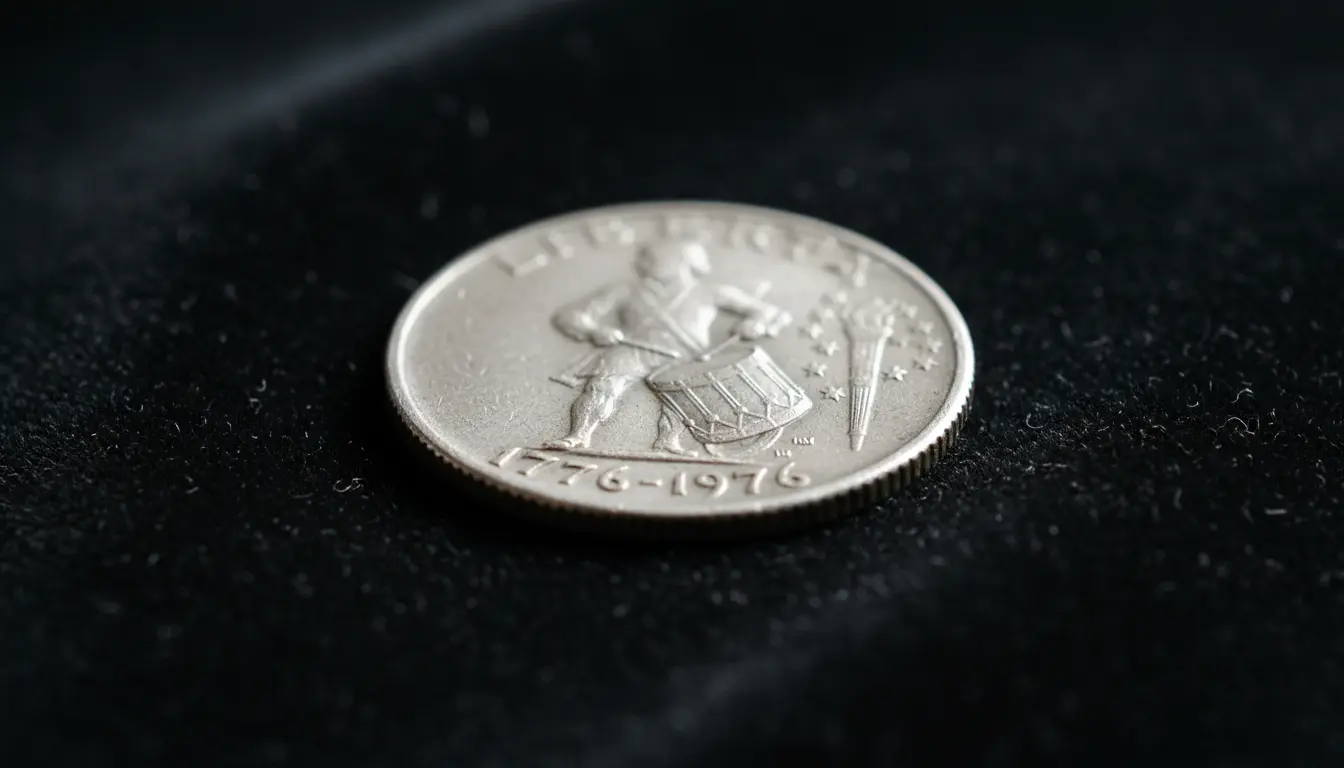
The 1976 Drummer Boy quarter is a sought-after bicentennial design for many collectors. While most examples are common, certain minting errors can dramatically increase a coin’s value. This guide explains the error types to watch for, how to verify authenticity, and what to do if you find a potential high-value piece.
1976 Drummer Boy Quarter Errors Overview
Error coins become valuable when the mistake is significant, rare, and authenticated. For the 1976 Drummer Boy quarter, values climb when errors are dramatic, well-preserved, and backed by grading or provenance. A properly documented major error can attract serious buyer interest at auction.
Why some 1976 Drummer Boy quarter errors are worth so much
Collectors pay premiums for coins that demonstrate unusual minting mishaps. Factors that push prices higher include rarity, the severity of the error, surface quality, and third-party certification. Auction demand and historical significance also play a role.
Major error types on 1976 Drummer Boy quarters
Below are the most important error categories to understand. Each type can vary widely in value depending on how extreme and well-documented the error is.
- Doubled Die Obverse or Reverse – Strong doubling that alters letters, dates, or the drummer image can be major. Look for clear, repeated features rather than faint doubling.
- Off-Center Strikes – Coins struck noticeably off-center that retain most design elements are collectible. Larger offsets that produce an unusual composition can command higher prices.
- Die Clashes and Die Breaks – Die clashes that leave ghost images or dramatic die breaks (cuds) near the rim can be striking and collectible.
- Wrong Planchet or Clad Anomalies – A planchet intended for a different denomination or composition (for example, a silver planchet) is very rare and valuable if authenticated.
- Repunched Mint Marks (RPM) or Multiple Strikes – Evidence of a repunched mint mark or multiple striking impressions can be important when clear and well-centered.
- Broadstrikes and Centering Errors – Broadstruck coins with stretched features or extreme centering anomalies draw collector interest.
How to inspect a 1976 Drummer Boy quarter for major errors
Use a systematic approach rather than making assumptions. Basic tools and a careful eye will help you spot candidate coins worth further investment in authentication.
- Use a 10x loupe or macro photography for close inspection of lettering, date, and drummer details.
- Compare the coin to reference images from trusted sources, including major grading services and numismatic guides.
- Look for consistent doubling, not just surface scratches or post-mint damage. Doubling should repeat design elements crisply.
- Check edges and the planchet for unusual metal color, layering, or seam indications that suggest a wrong planchet.
When to stop and seek professional help
If an error appears clear and significant, avoid cleaning, polishing, or altering the coin. Such actions reduce value. The next step should be professional evaluation by a reputable third-party grading service.
Authentication and grading for maximum value
Third-party grading and authentication are essential for achieving high price realizations. Well-known services include PCGS and NGC; they provide authentication, grading, and encapsulation that buyers trust.
- Submit the coin to a recognized grading service with a clear write-up of why you believe the piece is an error.
- Request specialist reviews if the service offers error or variety attribution.
- Keep provenance documentation and high-resolution photos to support listings or auction submissions.
Factors that determine whether a 1976 Drummer Boy error could reach 250000 or more
Reaching six-figure values requires a convergence of factors. Each plays a role in how collectors and investors bid at auction.
- Rarity – How many confirmed examples exist? The fewer, the higher the potential value.
- Degree of error – Major, unmistakable errors that change the coin’s appearance attract top bids.
- Grade and eye appeal – High grade and attractive surfaces increase buyer confidence.
- Provenance and documentation – Coins with documented history or past auction records perform better.
- Market conditions – Demand for error coins and overall collector appetite can vary over time.
Some single, authenticated major error coins in US numismatics have sold for six figures because buyers prize both rarity and a fully documented story behind the mistake.
Practical steps if you believe you own a high-value 1976 Drummer Boy error
Follow a careful process to maximize potential return and avoid pitfalls. Acting methodically also preserves the coin’s value.
- Stop handling the coin with bare hands; use gloves and store it in a soft holder.
- Take high-resolution photos of both sides, edges, and any notable features under magnification.
- Research auction archives and variety registries to see if a similar error exists and what it sold for.
- Submit the coin to a trusted grading service and request an error specialist review.
- Consult experienced dealers or error coin specialists before listing or consigning to auction.
Case study: Collector submission and outcome
A collector discovered a 1976 drummer quarter with strong reverse doubling and clear die clash marks. After photographing the coin and comparing it to variety references, they submitted it to a major grading service for evaluation. The coin was authenticated as a dramatic doubled die reverse and received an official attribution. When consigned to a reputable auction house, it sold for a significant premium over common bicentennial quarters, demonstrating the value of proper documentation and grading.
Final advice for owners and buyers
Be cautious and practical. Not every unusual-looking coin is worth six figures, but careful research, proper handling, and professional authentication can reveal exceptional opportunities. If you suspect you have a major 1976 Drummer Boy quarter error, act deliberately to preserve and verify the coin before marketing it.
With the right combination of rarity, documentation, and market interest, a confirmed major error on a 1976 Drummer Boy quarter can command remarkable prices—sometimes reaching into the high five or six figures when all elements align.