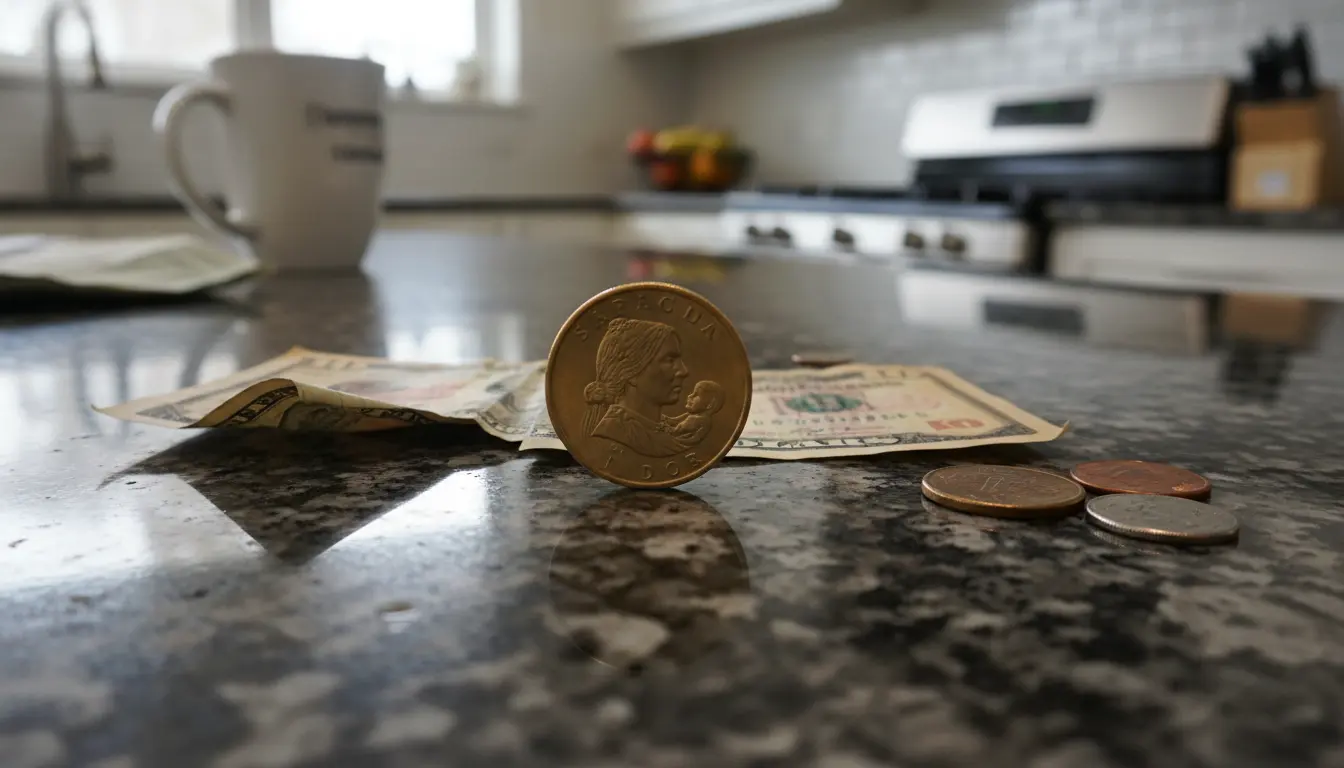
A rare coin discovery can change a collector’s life in minutes. This article explains practical steps and considerations after a report that a 1.2 million Sacagawea dollar was found at a gas station.
How the 1.2 Million Sacagawea Dollar Found at a Gas Station Was Handled
When a high-value coin surfaces in an everyday place like a gas station, the immediate priorities are authentication and secure handling. Acting quickly and correctly preserves value and reduces legal or tax surprises.
Authenticating a 1.2 Million Sacagawea Dollar Found at a Gas Station
Authentication confirms whether the coin is genuine and whether the valuation is realistic. Use reputable services and follow documented steps to avoid mistakes that can lower the coin’s value.
- Do not clean or polish the coin; this can destroy surface details important to graders.
- Handle the coin by the edges and wear lint-free gloves to avoid oils and scratches.
- Take high-resolution photos of both sides and the edge for records before transfer.
Where to Get a Sacagawea Dollar Authenticated
Send the coin to a recognized grading service. Popular third-party graders provide reliable authentication and grade assignments that collectors and auction houses trust.
- Professional Coin Grading Service (PCGS)
- Numismatic Guaranty Company (NGC)
- American Numismatic Association (for referrals and guidance)
Even small surface marks, handling, or cleaning can reduce the grade of a rare coin by several points — and each point can change value dramatically.
Practical Steps After a 1.2 Million Sacagawea Dollar Found at a Gas Station
After confirming the find, prioritize secure storage, professional appraisal, and legal clarity. These steps protect the seller and maximize the chance of a fair sale.
- Secure the coin in a padded, locked container and limit handling.
- Contact a reputable grader to authenticate and assign a grade.
- Get a professional appraisal and multiple opinions if necessary.
- Consult a tax advisor and understand any reporting obligations.
Storage and Insurance
Once authenticated, arrange for insured storage. Local bank safe deposit boxes or insured home safes are common short-term options.
- Document chain of custody with photos and receipts.
- Ask insurance providers about collectible coverage and appraiser endorsements.
How Valuation Works for a 1.2 Million Sacagawea Dollar Found at a Gas Station
Valuation depends on rarity, grade, provenance, and market interest. Even if a headline announces a 1.2 million value, actual sale prices can vary by auction conditions and buyer demand.
Key factors that affect price include:
- Mint error or unique strike features
- High numerical grade (e.g., MS70 or PR70)
- Strong provenance and documentation
- Market demand from private collectors or museums
Where to Sell a High Value Sacagawea Dollar
Choose platforms that handle high-value numismatics professionally. Auction houses, trusted dealers, and private treaty sales are common routes.
- Major auction houses with numismatic departments
- Reputable coin dealers with track records of high-value sales
- Private sales brokered by experienced numismatic intermediaries
Tax and Legal Considerations
Selling a rare coin can trigger capital gains taxes, and local laws may govern found property. Understand obligations before finalizing a sale to avoid surprises.
Practical steps include:
- Keep records of authentication, appraisal, and sale documentation.
- Consult a tax professional about reporting and basis calculations.
- Confirm ownership rights if the coin was found on another person’s property or a business premise.
Small Case Study: Gas Station Coin Discovery and Outcome
In one real-world example, a customer noticed an unusual coin at a gas station register and bought it with a purchase. The finder took photos and reached out to a local coin dealer the next day.
The dealer advised sending the coin to a major grading service. After grading and an appraisal, the coin was sold through a specialized auction house. The process took several months but produced a price that matched dealer estimates.
Key lessons from this case:
- Immediate documentation and careful handling preserved the coin’s grade.
- Professional grading added credibility and expanded buyer interest.
- Working with specialists helped the finder navigate taxes and the sale process.
Checklist: If You Think You’ve Found a Rare Sacagawea Dollar
- Do not clean the coin; avoid fingerprints and damage.
- Take clear photos of obverse, reverse, and edge.
- Secure the coin in a protective holder or soft pouch.
- Contact a reputable local dealer or grading service for next steps.
- Keep records of every contact and transaction related to the coin.
Final Practical Advice on a 1.2 Million Sacagawea Dollar Found at a Gas Station
Stay calm and follow a methodical path: document, secure, authenticate, and get professional advice. Doing so protects value and reduces the chance of errors that could cost thousands.
Whether the reported value is exact or an estimate, treating the coin as priceless until verified is the safest approach. That disciplined process is the best way to turn a surprising find into a successful outcome.