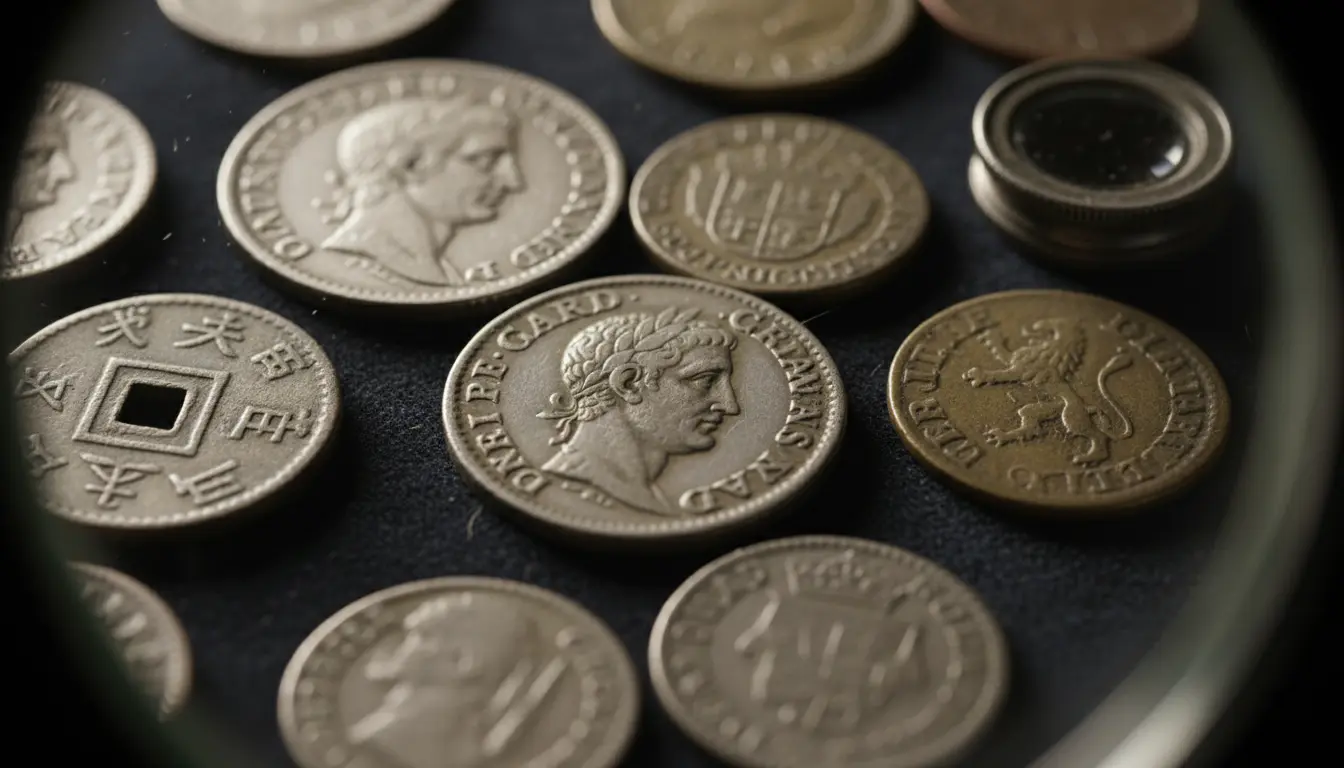
Why collectors seek Top 10 Rare Coins Wanted by Collectors
Collectors look for coins that combine rarity, condition, historical importance, and verified provenance. These factors drive demand and value in the market.
Understanding which coins top the wish lists helps collectors focus research, authentication, and budgeting. This guide lists ten high-profile rare coins and practical notes for each.
Top 10 Rare Coins Wanted by Collectors
1. 1933 Double Eagle (rare coin)
The 1933 Saint-Gaudens Double Eagle is famous for its rarity and legal history. Most were melted, leaving very few in private hands.
Collectors prize examples with clear provenance and proper export documentation; a legal specimen sold for tens of millions at auction.
2. 1794 Flowing Hair Dollar (rare coin)
Often cited as among the first U.S. silver dollars, the 1794 Flowing Hair dollar is sought for its historical status. Condition and strike quality greatly affect value.
High-grade pieces are museum-caliber and rarely change hands.
3. 1913 Liberty Head Nickel (rare coin)
Only five examples are known for the 1913 Liberty Head nickel. Each has a well-documented history and a distinct market following.
Because supply is fixed and tiny, these coins reach multi-million-dollar prices when offered.
4. 1804 Silver Dollar Bowed Bust (rare coin)
The 1804 silver dollar is better known for its diplomatic-strike history than for production in 1804. Collectors value class and provenance for these pieces.
Different classes (I, II, III) change collector interest and pricing significantly.
5. 1894-S Barber Dime (rare coin)
Only 24 dimes were reportedly minted at the San Francisco Mint in 1894-S, with even fewer surviving today. This small-mintage dime is a high-end rarity for U.S. collectors.
Situations with unknown provenance require careful authentication before purchase.
6. 1787 Brasher Doubloon (rare coin)
Made by Ephraim Brasher, a New York goldsmith, this pre-U.S. Mint gold coin is historically important and highly collectible.
Condition, rarity, and an original Brasher mark determine market interest.
7. 1796 Draped Bust Quarter (rare coin)
Early U.S. quarters like the 1796 Draped Bust are scarce in high grades. Collectors seek well-struck specimens with original surfaces and minimal wear.
Even small improvements in grade can yield substantial value increases.
8. 1822 Half Eagle (rare coin)
U.S. $5 gold pieces from the early 19th century can be rare and historically significant. The 1822 Half Eagle is among those that command strong collector demand.
Gold content gives baseline intrinsic value, but rarity and provenance drive the premium.
9. 1870-S Liberty Seated Dollar (rare coin)
This coin is often cited among pattern and minting oddities with very limited surviving examples. Collectors prize authenticated pieces with clear mint documentation.
Because examples are extremely scarce, due diligence is essential.
10. 1943 Copper Penny (rare coin)
Most 1943 cents were struck in steel due to wartime copper needs, but a few copper examples exist from the Philadelphia Mint. Those copper 1943 pennies are highly collectible.
Due to the salvage risk and counterfeits, third-party grading and testing are recommended before purchase.
How to verify Top 10 Rare Coins Wanted by Collectors
Authentication and grading are central to trading rare coins. Use neutral third-party grading services for documentation and market confidence.
Key verification steps include provenance checks, die variety identification, and metal composition testing when value justifies it.
Practical checklist for buyers
- Request provenance and prior auction records.
- Insist on third-party grading for high-value pieces.
- Check die varieties and mint marks with trusted references.
- Confirm return policies and escrow for expensive transactions.
The 1933 Double Eagle was once illegal to own without specific permission, which makes documented legal specimens especially valuable to collectors.
Case study: 1933 Double Eagle auction
In a well-known auction, a legally released 1933 Double Eagle sold for a price in the multi-million dollar range. The sale highlighted how legal provenance and certification can multiply value.
The buyer paid a premium for clear documentation and independent grading, showing the market rewards verified rarity and lawful ownership.
Storage, care, and insurance for rare coins
Proper storage preserves grade and appearance. Use inert holders, climate-controlled safes, and limit handling with gloves or coin tools.
Insure high-value coins with a collectibles rider and keep copies of certificates, receipts, and photos in a separate secure location.
Final tips on collecting Top 10 Rare Coins Wanted by Collectors
Start with research and small purchases to learn grading, authentication, and reputable sellers. Build relationships with dealers, auction houses, and numismatic experts.
Keep expectations realistic: rarity does not guarantee liquidity, and condition plus documentation are as important as the coin type itself.
By focusing on authenticated examples, documented provenance, and proper care, collectors can responsibly pursue the top 10 rare coins wanted by collectors and build a valuable, defensible collection.